Morocco Surf Holidays: The Ultimate Guide to Surfing in Morocco
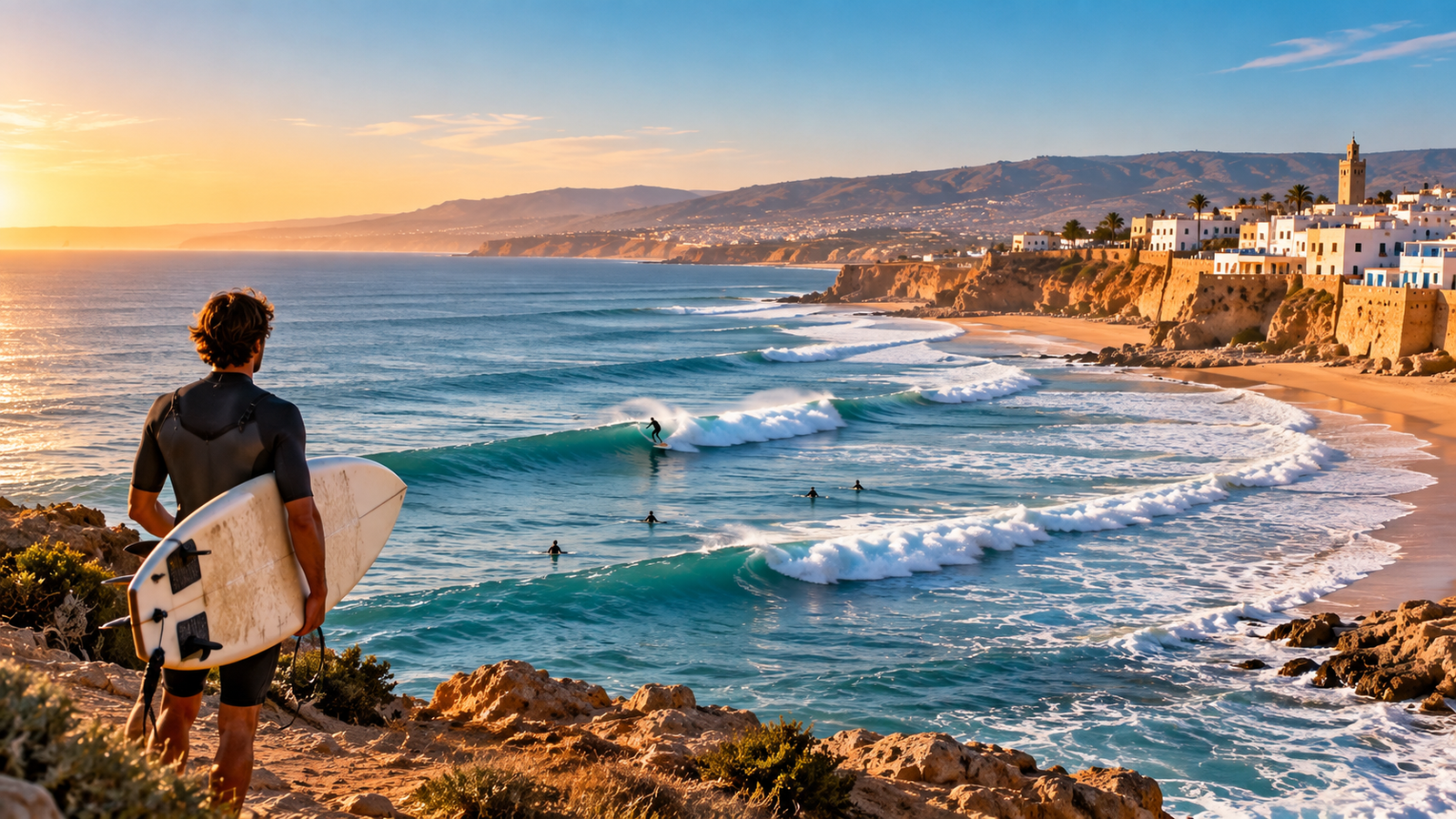
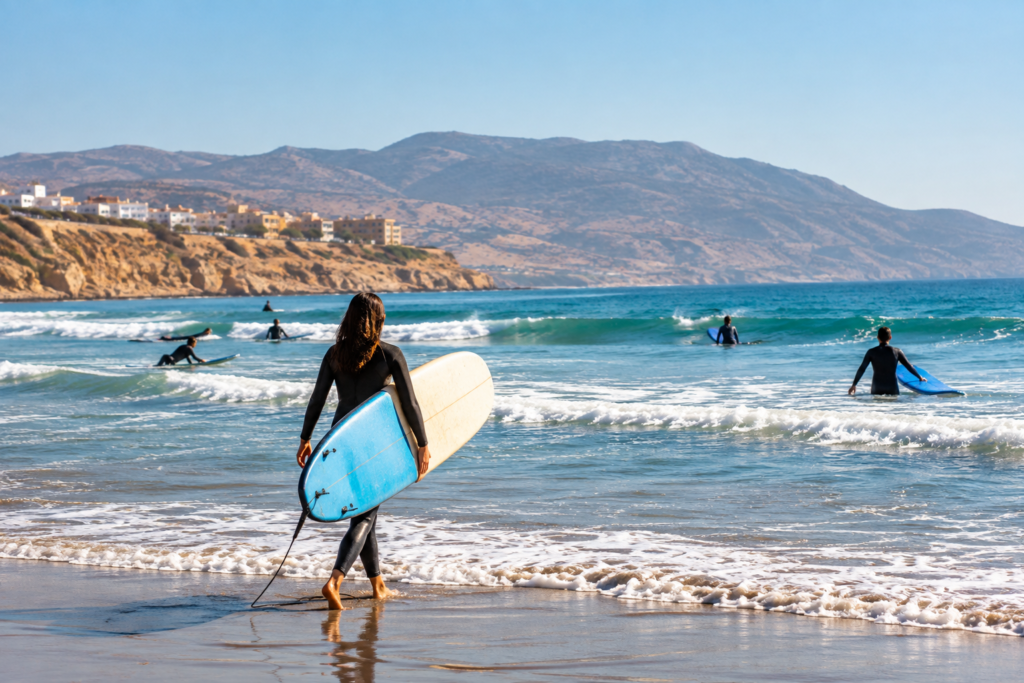
Morocco has become one of Europe’s favourite destinations for a surf holiday, and it’s easy to see why. You get consistent Atlantic waves, long sandy beaches, world-class point breaks, warm Moroccan hospitality and a culture that feels completely different from the usual European surf destinations.
Whether you’re planning your first surf trip, looking for a week of lessons, or simply want to spend a few days chasing waves along the Atlantic coast, Morocco offers plenty of options.
And unlike many surf destinations, you don’t need to be an advanced surfer to enjoy it. There are waves and surf spots suited to beginners, intermediates and experienced surfers, often within a relatively small area.
Why Choose Morocco for a Surf Holiday?
A Morocco surf holiday combines surfing with everything that makes the country an appealing travel destination.
The Atlantic coast has a long surfing season, with conditions changing throughout the year. Winter generally brings bigger and more powerful swells, while the warmer months can offer smaller waves and more beginner-friendly conditions.
Morocco is also relatively easy to reach from many European cities, making it possible to take a proper surf holiday without spending an entire day travelling.
Then there is the atmosphere. A typical day might involve an early surf, breakfast at a local café, an afternoon exploring the coast or relaxing at the beach, and dinner with fresh Moroccan food.
For many visitors, that combination is just as important as the waves.
Where to Go Surfing in Morocco
Morocco has hundreds of kilometres of Atlantic coastline, but the area around Agadir and Taghazout is particularly popular with visiting surfers.
Taghazout
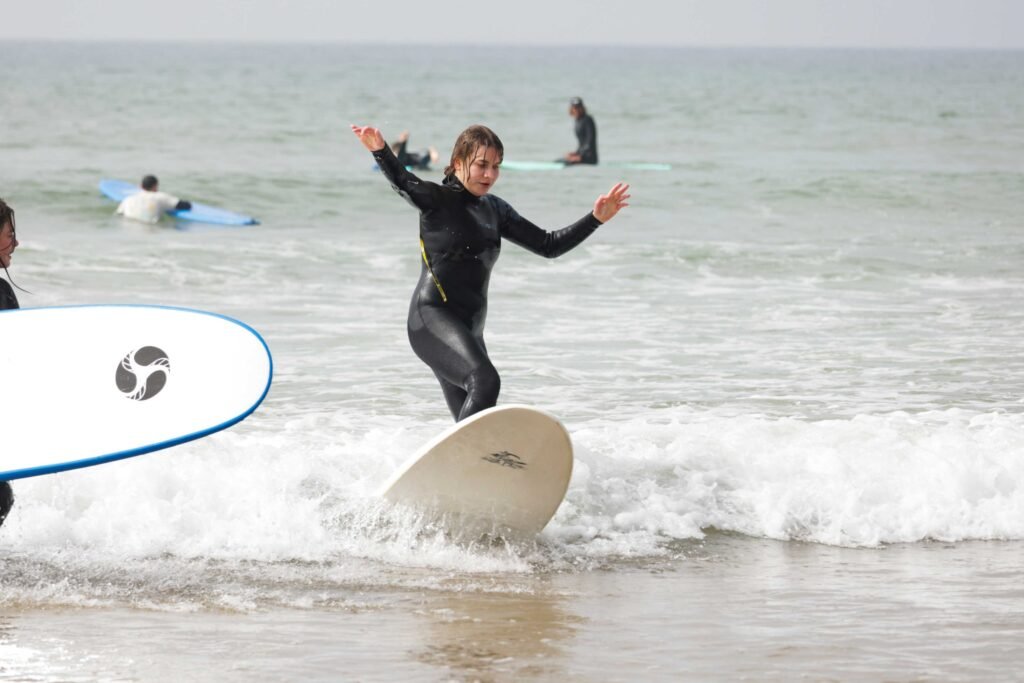
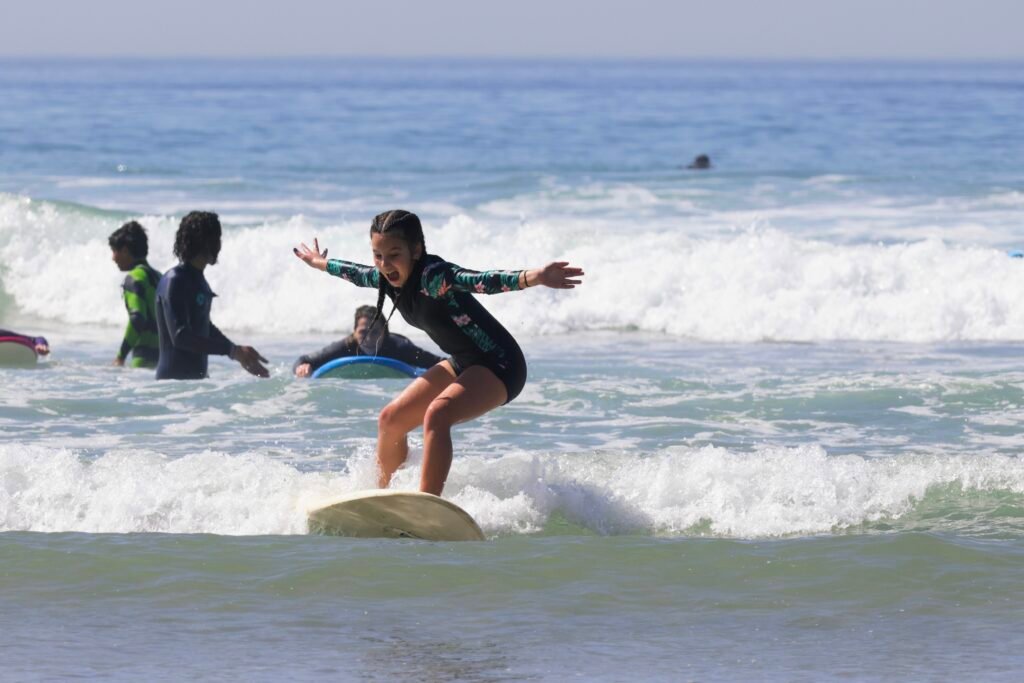
Taghazout is one of Morocco’s best-known surf destinations and a popular base for surf camps.
The former fishing village has developed into a lively surf town with cafés, restaurants, surf shops and accommodation catering to travellers from around the world.
Several well-known surf spots are located close to Taghazout, including Anchor Point, Hash Point, Panorama and Banana Point.
The variety of breaks means surfers can choose different waves depending on their experience and the conditions.
For beginners, staying in Taghazout can be particularly convenient because surf schools and camps can organise transport to suitable beaches and breaks each day.
Agadir
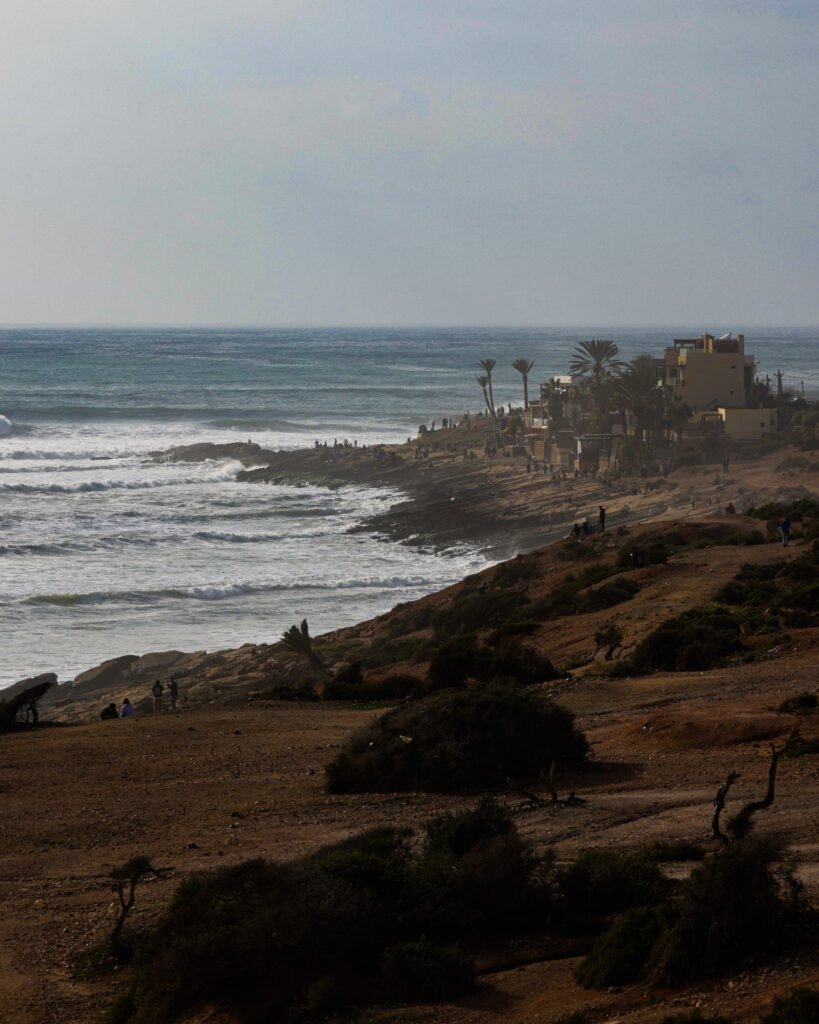
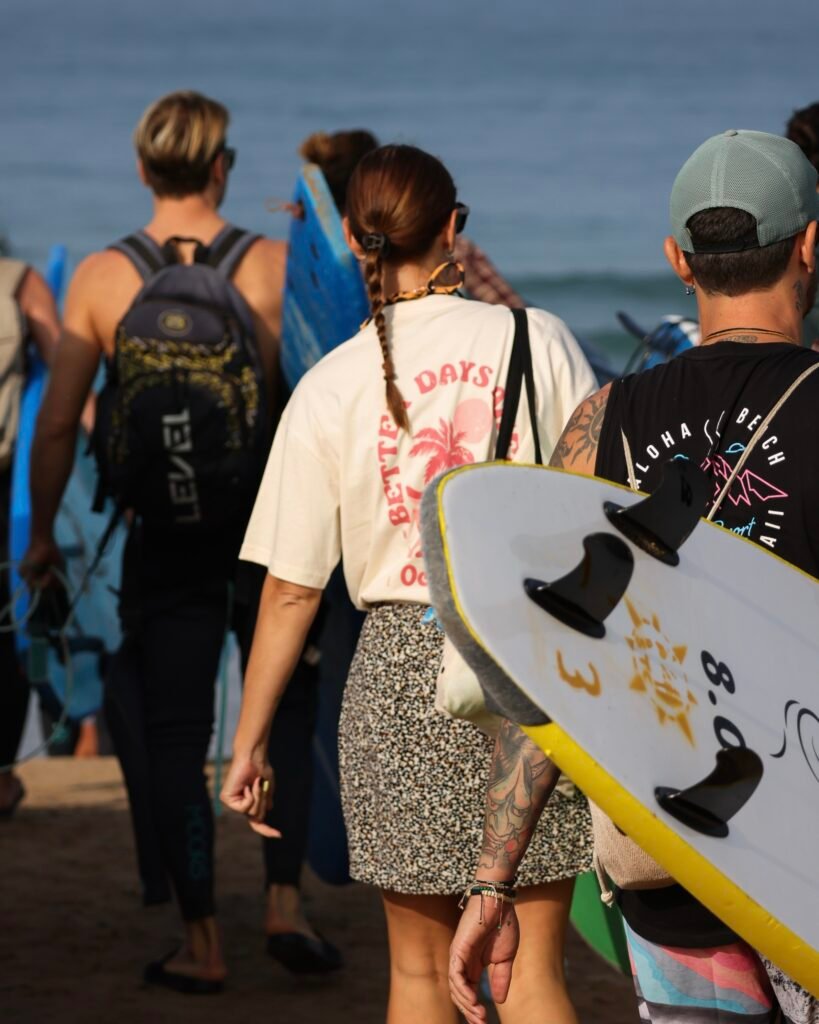
Agadir is a larger coastal city and an important gateway to the region.
Its international airport makes it convenient for travellers flying into southern Morocco, while the city’s long beach, restaurants, hotels and other facilities provide an alternative to staying in a smaller surf village.
Many surf camps around Taghazout use Agadir Airport for arrivals, so it is common to fly into Agadir and then travel north along the coast.
Imsouane
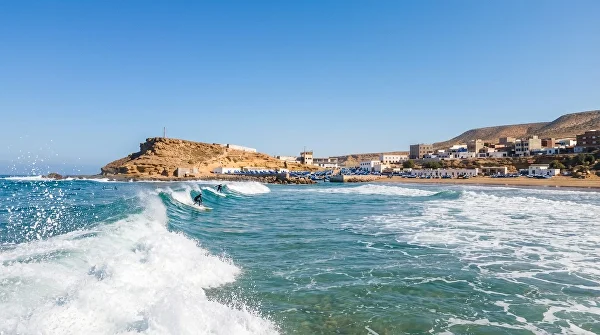
Further north, Imsouane has become famous for its long, mellow waves and relaxed atmosphere.
It is particularly appealing to surfers who enjoy long rides and a quieter setting. The famous Bay can produce exceptionally long waves when conditions line up, making Imsouane a popular stop on Moroccan surf trips.
It can also work well as part of a longer surf itinerary rather than simply as a single-destination holiday.
When Is the Best Time for a Morocco Surf Holiday?
There isn’t one perfect month for everyone. The best time depends largely on your surfing ability and what you want from your trip.
Autumn
September to November can be an excellent time to visit. The water and air remain relatively warm, while the Atlantic starts producing more consistent swells.
Conditions can work particularly well for intermediate surfers, although beginners can still find suitable waves depending on the day and location.
Winter
December to February is the heart of Morocco’s surf season.
Atlantic swells are generally more powerful during this period, bringing better conditions for experienced surfers and making some of Morocco’s famous point breaks particularly exciting.
However, bigger winter swells aren’t necessarily what beginners are looking for. If you’re learning to surf, your surf school or camp will normally select beaches according to the day’s conditions.
Spring
March to May can offer a good balance of manageable waves, pleasant weather and fewer crowds than the busiest periods.
It’s a popular option for travellers who want to combine surfing with exploring Morocco.
Summer
June to August is warmer and generally has smaller, less consistent Atlantic swells.
That can make summer attractive to complete beginners, families and travellers who want surfing to be part of a broader beach holiday.
More experienced surfers may prefer the larger swells found later in the year.
Is Morocco Good for Beginner Surfers?
Yes. Morocco can be an excellent destination for learning to surf.
One of the biggest advantages is the variety of beaches and breaks along the coast. Beginners aren’t necessarily tied to one surf spot, so instructors can look for conditions that are appropriate for the group.
A surf camp can make the experience even easier because lessons, equipment, accommodation and daily transport can often be organised together.
You also get to spend the entire week around other surfers, which makes it easier to meet people and continue practising outside your lessons.
The important thing is to choose a surf school or camp that matches your experience level rather than simply choosing a destination because it has famous waves.
What Is a Surf Camp in Morocco Like?
A Moroccan surf camp can be a much more social experience than booking a hotel and arranging individual surf lessons.
A typical surf camp package may include:
-
Accommodation
-
Daily breakfast
-
Surf lessons
-
Surfboard and wetsuit hire
-
Transport to surf spots
-
Equipment during lessons
-
Other activities such as yoga or excursions
The exact package varies between camps, so it is worth checking what is included before booking.
Surf camps are also popular with solo travellers. You can arrive on your own but spend much of your holiday with a group of other travellers who are there for the same reason.
How Much Does a Morocco Surf Holiday Cost?
The cost depends on the season, accommodation, length of stay and what is included in your package.
A basic surf holiday can be relatively affordable compared with many European surf destinations. Staying at a surf camp can also make budgeting easier because accommodation, lessons and equipment may be bundled into one price.
You’ll still need to budget for flights, airport transfers, meals outside the package, travel insurance and activities.
If you’re comparing surf camps, don’t automatically choose the cheapest option. Look at the number of lessons, equipment included, accommodation, group size and location as well as the headline price.
What Should You Pack for a Surf Trip to Morocco?
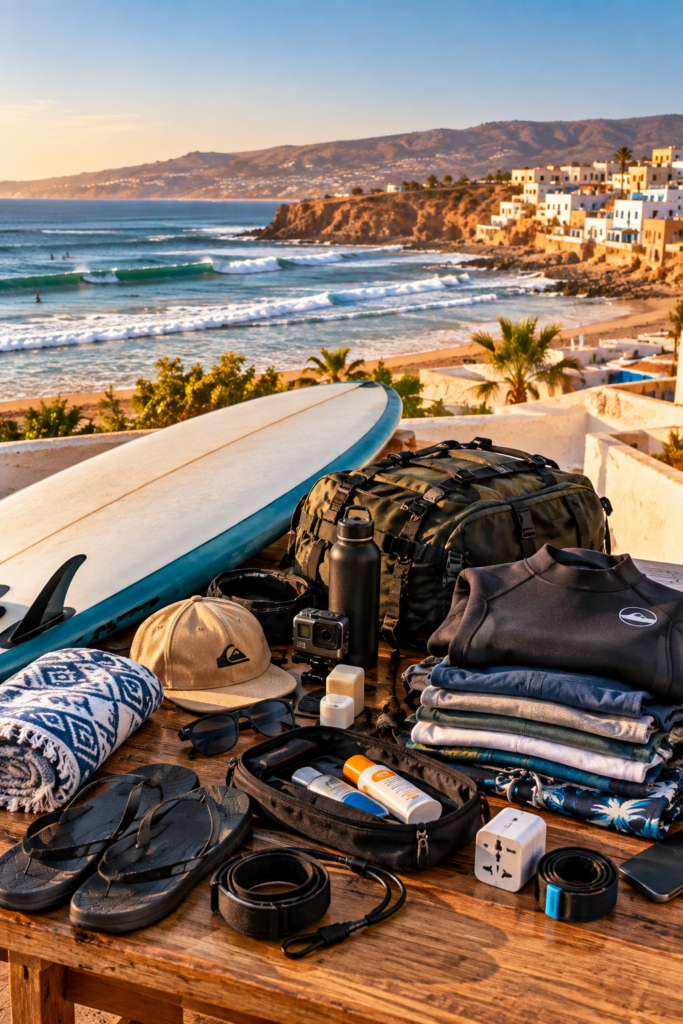
Your packing list will depend on the time of year, but a few essentials are useful for almost every Morocco surf holiday.
Bring:
-
Swimwear
-
Rash vest
-
Light clothing
-
Warm layers for evenings
-
Comfortable walking shoes
-
Sun protection
-
Reusable water bottle
-
Travel adapter
-
Personal toiletries
-
Travel insurance documents
If you’re staying at a surf camp, check whether boards and wetsuits are included before bringing your own equipment.
A thicker wetsuit can be useful during the cooler months, although the exact thickness you’ll need depends on the season and your personal tolerance for cooler water.
What Else Can You Do in Morocco Besides Surf?
One of the best things about a Morocco surf holiday is that you don’t have to surf every day.
You can explore local markets, eat Moroccan food, visit nearby towns, hike along the coast or simply spend an afternoon at the beach.
From Taghazout, it’s also possible to explore the surrounding region and visit places such as Agadir and Paradise Valley.
For travellers staying longer, adding Marrakech to a surf trip can turn a simple week of surfing into a broader Moroccan adventure.
How Long Should You Spend on a Morocco Surf Holiday?
For a first trip, 7 days is a good starting point.
It gives you enough time to settle in, have several surf sessions and experience the destination without needing a long holiday.
If surfing is the main reason for your trip, 10–14 days gives you more flexibility. You’re less dependent on getting perfect conditions every day and can explore different surf spots along the coast.
A longer trip also makes it easier to combine Taghazout with Imsouane or other destinations.
Is a Morocco Surf Holiday Right for You?
Morocco works particularly well if you want a surf trip that offers more than just time in the water.
You can learn to surf, improve your skills, meet other travellers, eat great food and explore a completely different culture, all while staying close to the Atlantic coast.
For beginners, a surf camp around Taghazout can provide an easy introduction to surfing without having to organise everything yourself. More experienced surfers can use the region as a base for exploring Morocco’s famous point breaks and chasing the best conditions.
The result is a surf holiday that can be as much about the experience around the waves as the waves themselves.
If you’re looking for Morocco surf holidays, Taghazout is one of the easiest places to start. With surf camps, beaches and a wide range of breaks close together, it offers a practical base for experiencing Morocco’s Atlantic surf coast.